
The Future of AI/ML Engineering: Trends and Innovations
Introduction to AI/ML Engineering
The fields of Artificial Intelligence (AI) and Machine Learning (ML) are rapidly evolving, reshaping industries and setting the stage for future technological advancements. As we look ahead, several key trends and innovations are poised to drive the next wave of developments in AI/ML engineering.
In this blog post, we'll explore the emerging trends that are likely to define the future of AI/ML, focusing on advancements in technologies, methodologies, and applications across various sectors.

Advancements in AI/ML Algorithms
One of the most significant areas of innovation lies in the development of new algorithms. Researchers are constantly pushing the boundaries to create more efficient, accurate, and scalable models. Deep learning continues to be a major focus, with techniques like reinforcement learning gaining prominence.
Additionally, the integration of AI with quantum computing is expected to revolutionize how algorithms are developed and executed, offering unprecedented computational power and speed.
Explainable AI (XAI)
As AI systems become more complex, the need for transparency and interpretability grows. Explainable AI (XAI) aims to make AI decisions more understandable to humans. This trend is critical for building trust and ensuring ethical use in sensitive areas such as healthcare and finance.
AI in Edge Computing
The shift towards edge computing is transforming how AI systems are deployed. By processing data closer to the source, edge AI reduces latency and enhances privacy. This is particularly important for applications in IoT, where real-time decision-making is crucial.
Edge AI is not only improving performance but also enabling new use cases in autonomous vehicles, smart cities, and remote monitoring systems.
AI-Driven Automation
Automation powered by AI is streamlining processes across industries. From robotic process automation (RPA) in business operations to AI-driven manufacturing, the potential for efficiency gains is vast.
- Automated customer service and support
- Predictive maintenance in industrial settings
- Personalized marketing and content curation

Ethical AI and Governance
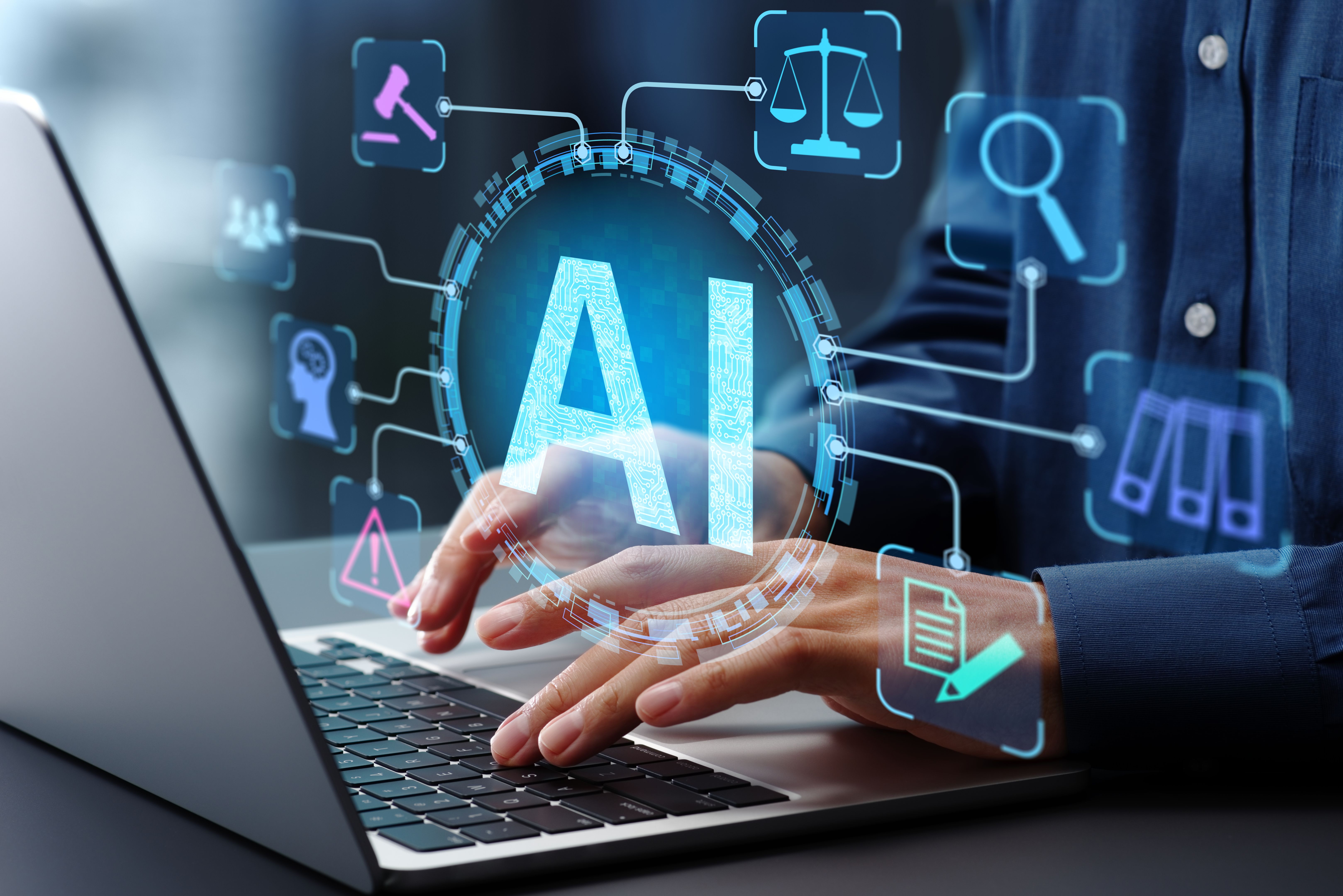
As AI technologies proliferate, ethical considerations and governance frameworks are becoming increasingly important. Ensuring AI systems are fair, accountable, and transparent is crucial to prevent biases and protect user privacy.
Organizations are adopting comprehensive AI ethics guidelines and establishing dedicated teams to oversee responsible AI development and deployment.
Future Skills for AI/ML Engineers
The evolving landscape of AI/ML engineering demands a new set of skills. Professionals need to keep pace with the latest tools and techniques, with a greater emphasis on interdisciplinary knowledge. Skills in data science, programming, and ethical governance are becoming essential.

Conclusion
The future of AI/ML engineering is bright, with innovations across algorithms, computing paradigms, and ethical frameworks paving the way for transformative applications. As these technologies continue to evolve, they will undoubtedly open new frontiers in how we interact with and benefit from intelligent systems.