
Top 5 Misconceptions About Hiring Remote AI/ML Engineers
Misconception 1: Remote Engineers Are Less Productive
One of the most common misconceptions about hiring remote AI/ML engineers is the belief that they are less productive than their in-office counterparts. The reality is quite the opposite. Studies have shown that remote workers often have higher productivity levels due to fewer distractions, flexible work hours, and a more comfortable work environment.
Remote engineers can focus on their tasks without the interruptions of a traditional office setting. This autonomy allows them to manage their time more efficiently, often leading to increased output and creativity.

Misconception 2: Communication Barriers Are Inevitable
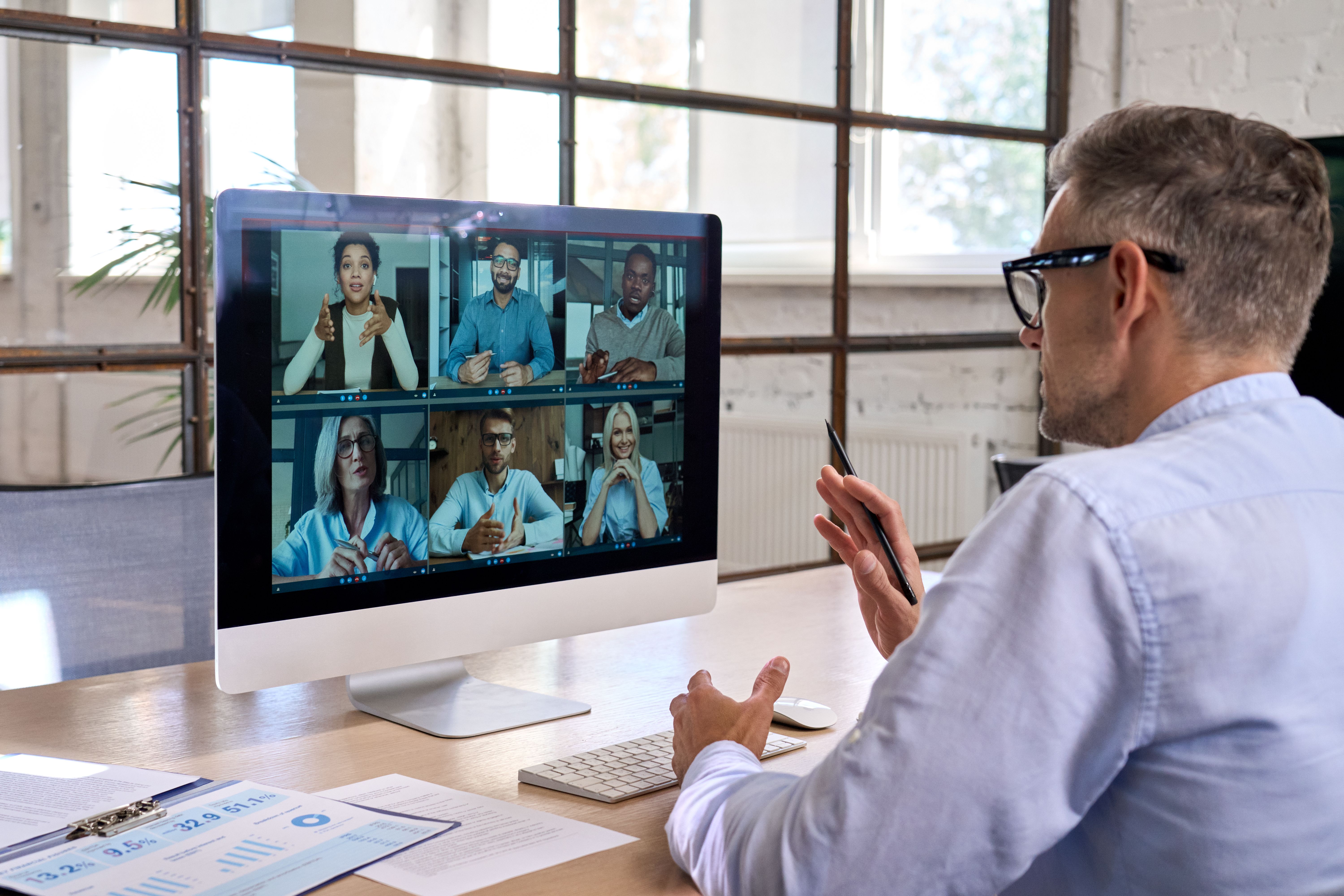
Another myth is that remote work leads to communication breakdowns. While it's true that remote teams need to be more intentional about communication, modern tools and technologies have made it easier than ever to stay connected. Platforms like Slack, Zoom, and Microsoft Teams facilitate seamless communication and collaboration among team members, regardless of their location.
Effective communication is about quality, not quantity. By setting clear expectations and using the right tools, remote AI/ML engineers can communicate as effectively as if they were in the same office.
Misconception 3: Remote Engineers Lack Team Spirit
Some believe that remote engineers might feel isolated and disconnected from the team, thus lacking team spirit. However, many remote teams have found creative ways to foster a strong sense of community. Regular virtual meetups, team-building activities, and open lines of communication help build camaraderie and a shared sense of purpose.
Remote work doesn't mean working alone. With the right culture and practices, remote AI/ML engineers can feel as connected and engaged as any in-office team.

Misconception 4: Security Risks Are Higher with Remote Work
Security concerns are often cited as a reason to avoid remote hires. However, with proper protocols and the right technology, remote work can be just as secure as traditional office work. VPNs, secure cloud services, and robust authentication processes help protect sensitive information and maintain security standards.
Organizations that prioritize cybersecurity and invest in the right tools can mitigate risks and ensure that remote AI/ML engineers work securely.
Misconception 5: Managing Remote Engineers Is More Challenging
Many managers worry that it is more difficult to oversee remote workers. However, effective management of remote teams is not inherently more challenging; it just requires a different approach. By focusing on outcomes rather than hours, providing clear goals, and leveraging project management tools, managers can effectively lead remote AI/ML engineers.
Successful remote management relies on trust and clear communication, allowing managers to empower their teams and drive results.
In conclusion, hiring remote AI/ML engineers offers numerous benefits that far outweigh the misconceptions. By embracing modern tools and fostering a supportive work culture, companies can tap into a global talent pool and drive innovation.